Koriandri: A Complete Guide to Coriander, Cilantro, Nutrition, Uses, and Safety
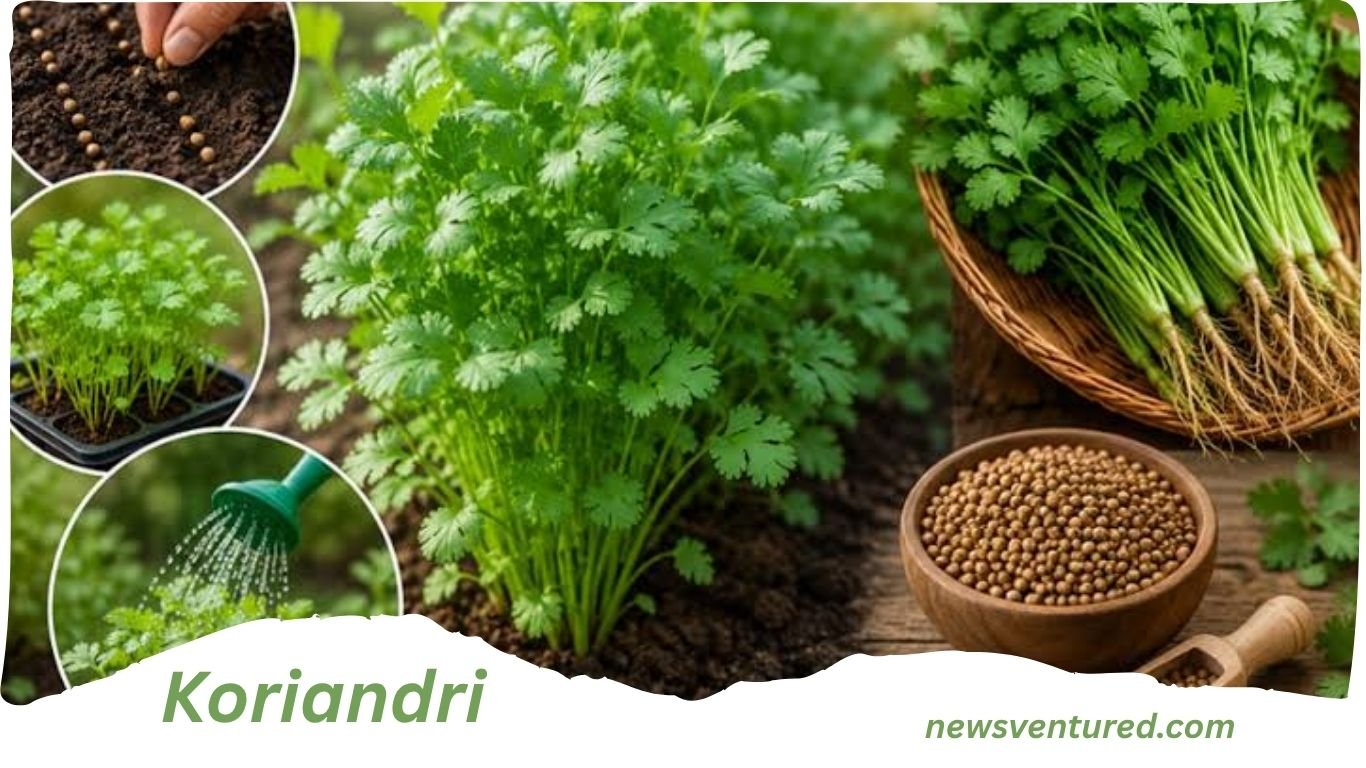
Koriandri is a term that may be used when referring to coriander, a fragrant herb widely used in cooking around the world. In the United States, people commonly use the word “cilantro” for the fresh green leaves and stems of the coriander plant, while “coriander” often refers to the dried seeds used as a spice.
The plant belongs to the Apiaceae family, which also includes carrots, celery, parsley, fennel, and several other familiar plants. Its scientific name is Coriandrum sativum.
Koriandri is valued for its fresh aroma, distinctive flavor, and versatility. The leaves are commonly added to salsa, guacamole, soups, curries, salads, sauces, tacos, rice dishes, and many other foods. The dried seeds have a warmer, slightly citrus-like flavor and are used in spice blends, baked foods, marinades, pickles, and cooked dishes.
Beyond flavor, coriander provides small amounts of several nutrients and plant compounds. However, it is important to understand its nutritional role realistically. Because people normally eat coriander in relatively small amounts, it should be viewed as a flavorful addition to a balanced diet rather than a replacement for nutrient-rich foods.
This guide explains what Koriandri means, how coriander and cilantro are related, its nutritional value, common culinary uses, storage methods, food-safety considerations, possible allergies, and what current evidence can and cannot tell us about its health effects.
What Is Koriandri?
Koriandri generally refers to coriander or cilantro, the herb produced by the Coriandrum sativum plant.
The plant is an annual herb from the Apiaceae family. It produces delicate green leaves and small seeds. Both parts are edible, but they have noticeably different flavors.
Fresh coriander leaves are usually called cilantro in American English. They have a bright, fresh flavor that some people describe as citrusy, herbal, or slightly peppery.
Coriander seeds have a different flavor. They are warmer, mildly sweet, earthy, and citrus-like. They can be used whole or ground.
The difference can sometimes create confusion when people search for coriander information online. In the United States, “cilantro” usually means the fresh leaves, while “coriander” generally means the dried seeds.
The FDA also identifies cilantro as coriander and lists its scientific name as Coriandrum sativum.
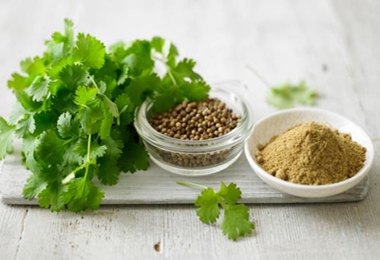
Koriandri, Cilantro, and Coriander: What Is the Difference?
One of the easiest ways to understand Koriandri is to separate the plant from the parts used in cooking.
The plant is Coriandrum sativum. Its leaves are commonly called cilantro in the United States. Its dried seeds are generally called coriander seeds.
| Term | Usually Means | Common Use |
| Koriandri | A term associated with coriander | General reference |
| Cilantro | Fresh leaves and stems | Salsa, salads, sauces, tacos |
| Coriander | Usually dried seeds in the U.S. | Spice blends, curries, breads |
| Coriandrum sativum | Scientific plant name | Botanical and scientific references |
This distinction is useful when reading recipes, shopping for ingredients, or researching nutrition.
A recipe asking for fresh cilantro is not asking for a teaspoon of ground coriander seed. They come from the same plant, but their flavors and culinary functions are different.
A Brief History of Coriander
Coriander has a long history as a food and aromatic plant.
It has been cultivated and used in different parts of the world for thousands of years. Historical evidence indicates that coriander was known in ancient regions of the Mediterranean and parts of Asia.
Over time, the plant spread through trade, migration, agriculture, and cultural exchange.
Today, coriander is common in cuisines across Asia, Latin America, the Middle East, Africa, and Europe.
Its popularity comes partly from the fact that both the fresh leaves and dried seeds can be used. This makes the plant unusually versatile.
Coriander is also commercially important. The FDA notes that cilantro is grown year-round in several U.S. states, including California, Arizona, Florida, and Texas, while Mexico is a major source of imported cilantro for the United States.
What Does Koriandri Taste Like?
Fresh cilantro has a strong and recognizable flavor.
Also Read:Incfidelibus: Meaning, Origins, Online Presence
Many people describe it as:
- Fresh
- Citrus-like
- Herbal
- Bright
- Slightly peppery
- Green and aromatic
However, not everyone experiences its flavor in the same way.
Some people perceive fresh cilantro as unpleasant or soapy. Research has suggested that genetic differences may influence how certain people perceive the aroma of cilantro.
This does not mean that one person’s description is “correct” and another person’s description is wrong. Taste and smell are influenced by biology, previous food experiences, culture, and individual preferences.
Coriander seeds have a different sensory profile. They are generally warmer and more subtle, with citrus-like and mildly sweet notes.
Toasting coriander seeds lightly can make their aroma more noticeable before they are ground or added to a dish.
Koriandri Nutrition: What Does It Provide?
Coriander contains several vitamins, minerals, and plant compounds.
However, serving size matters.
People usually use cilantro as a garnish or flavoring herb rather than eating a large bowl of it. Therefore, the total amount of nutrients obtained from a typical serving is usually modest.
The USDA FoodData Central system is one of the major U.S. resources for food composition information. It provides nutrient and food-component data and explains that food composition can vary according to factors such as the food sample and analytical method.
Fresh cilantro can contribute small amounts of nutrients such as:
- Vitamin K
- Vitamin A
- Vitamin C
- Folate
- Potassium
- Calcium
- Magnesium
- Iron
- Dietary fiber
The exact nutritional profile depends on the amount consumed and whether the food is fresh, dried, cooked, or processed.
Dried coriander seeds are more concentrated by weight because water has been removed. However, they are also typically used in small quantities.
This is why it is better to think of coriander as one useful part of a varied diet rather than a single “superfood.”
Is Koriandri Healthy?
Koriandri can fit well into a healthy eating pattern.
Fresh cilantro adds flavor without requiring large amounts of added sugar or fat. This can be useful for people who want to make simple foods more flavorful.
Herbs can also help people enjoy vegetables, beans, whole grains, lean proteins, and other nutritious foods.
Coriander contains naturally occurring plant compounds, including aromatic compounds that contribute to its smell and flavor.
Some laboratory and preliminary research has investigated coriander and individual compounds found in the plant. These studies have explored areas such as antioxidant activity and metabolic effects.
However, laboratory findings should not automatically be treated as proof that eating coriander prevents or treats a disease in humans.
That distinction is important for trustworthy nutrition information.
The USDA emphasizes that food composition data describe nutrients and components in foods, while health claims require appropriate scientific evidence.
Potential Benefits of Adding Koriandri to Meals
Adds Flavor Without Many Calories
Fresh herbs can add strong flavor to meals without being a major source of calories.
Cilantro can be particularly useful in dishes that need freshness or acidity-like flavor without adding extra sauces or heavy toppings.
Provides Micronutrients
Although the amount consumed is usually small, cilantro contains several vitamins and minerals.
Vitamin K is one of the nutrients associated with leafy green herbs.
Vitamin C and vitamin A-related compounds are also present.
The overall contribution depends on serving size, so nutrition claims should always be considered in context.
Adds Plant Compounds
Coriander contains naturally occurring phytochemicals that contribute to its aroma and flavor.
Researchers have studied some of these compounds because of their antioxidant and biological activity.
Still, eating coriander should not be presented as a medical treatment.
Makes Healthy Foods More Appealing
This is one of the most practical benefits of Koriandri.
A simple bowl of beans, rice, vegetables, grilled protein, or soup can become more appealing with fresh herbs.
That can make it easier for people to enjoy nutritious meals regularly.
Koriandri in Mexican and Latin American Cooking
Cilantro is strongly associated with many Mexican and Latin American dishes.
It is commonly used in:
- Salsa
- Guacamole
- Tacos
- Burritos
- Rice dishes
- Bean dishes
- Soups
- Fresh sauces
- Street-food preparations
Fresh cilantro is often added near the end of cooking or used as a garnish because prolonged cooking can reduce some of its fresh aroma.
Cilantro and lime are also a popular flavor combination.
The herb’s fresh character can balance richer foods and add contrast to spicy ingredients.
Koriandri in Asian Cooking
Coriander is also important in many Asian cuisines.
Fresh cilantro may appear in soups, noodle dishes, curries, chutneys, salads, sauces, and rice dishes.
Coriander seeds are common in spice mixtures and cooked foods.
In Indian cooking, ground coriander is widely used in spice blends and dishes involving vegetables, legumes, meat, and sauces.
The seeds can also be toasted before grinding. This technique changes their aroma and can create a deeper flavor.
Koriandri in Middle Eastern and Mediterranean Foods
Coriander has also been used in Middle Eastern and Mediterranean food traditions.
Ground coriander can be combined with spices such as cumin, paprika, turmeric, and pepper.
Fresh cilantro may also be included in sauces, salads, soups, and vegetable dishes.
Its versatility makes it useful across different culinary traditions.
Fresh Cilantro vs. Coriander Seeds
The most important difference is flavor.
Fresh cilantro is bright and leafy.
Coriander seeds are warm and aromatic.
Fresh cilantro is commonly used in:
- Salsas
- Salads
- Tacos
- Soups
- Sauces
- Garnishes
Coriander seeds are commonly used in:
- Curries
- Spice blends
- Pickles
- Marinades
- Breads
- Roasted vegetables
- Meat dishes
They should not be treated as interchangeable ingredients unless a recipe specifically allows a substitution.
How to Choose Fresh Koriandri
When buying fresh cilantro, look for bunches with:
- Bright green leaves
- Fresh-looking stems
- No widespread yellowing
- No slimy leaves
- No strong signs of decay
- A clean, fresh aroma
Avoid bunches that look heavily wilted or damaged.
Because fresh herbs are perishable, it is best to purchase an amount that you expect to use within a reasonable period.
How to Store Fresh Cilantro
Fresh cilantro can lose quality quickly if stored incorrectly.
A common approach is to keep it refrigerated and protect it from excess moisture and contamination.
The FDA recommends storing perishable vegetables such as fresh herbs in a clean refrigerator at 40°F or below.
Some people place cilantro stems in a small amount of water and loosely cover the leaves. Others wrap the herb in a slightly damp paper towel before refrigeration.
The best method can depend on the condition of the herb and the storage container.
Regardless of the method, discard cilantro if it develops significant slime, mold, or an unpleasant odor.
How to Wash Koriandri Safely
Fresh cilantro should be washed under running water before eating or preparing it.
The FDA recommends thoroughly rinsing fresh produce under running water and specifically advises against using soap, detergent, or bleach solutions on food.
A simple approach is:
- Wash your hands before handling the herb.
- Remove visibly damaged leaves.
- Rinse the cilantro under clean running water.
- Gently separate leaves and stems so water can reach different surfaces.
- Drain or dry the herb.
- Use a clean cutting board and knife.
Washing does not guarantee that all microorganisms will be removed, but it is an important food-safety step.
Koriandri and Food Safety
Fresh herbs are generally safe for most people when properly handled, but raw produce can sometimes carry harmful microorganisms.
The FDA has specifically monitored fresh cilantro, basil, and parsley for pathogens including Cyclospora cayetanensis, Salmonella, and Shiga toxin-producing E. coli.
The agency notes that fresh herbs may be eaten without a cooking step, meaning there may not be a heat treatment that reduces microorganisms before consumption.
This is one reason proper handling matters.
The FDA has also worked with Mexican authorities to strengthen safety controls for fresh cilantro because of previous investigations involving cyclospora illnesses.
This information does not mean consumers should avoid cilantro. Rather, it shows why normal produce-safety practices are important.
Can Koriandri Cause Allergies?
Food allergies to coriander are possible, although they are not among the nine major food allergens recognized under U.S. federal food-labeling law.
The FDA’s major allergen list includes milk, eggs, fish, crustacean shellfish, tree nuts, peanuts, wheat, soybeans, and sesame.
A person can still have an allergy to foods that are not on that major list.
Possible allergy symptoms may include:
- Itching
- Hives
- Swelling
- Digestive symptoms
- Breathing problems
- Serious allergic reactions in rare cases
Anyone who repeatedly experiences symptoms after eating coriander or cilantro should discuss the issue with a qualified healthcare professional.
People with known food allergies should also check packaged foods and ask about ingredients when eating outside the home.
Koriandri During Pregnancy
Fresh cilantro can be part of a balanced diet during pregnancy, but food safety becomes especially important.
Pregnant people should carefully wash fresh produce and follow safe food-handling practices.
The FDA notes that unwashed fruits and vegetables can carry harmful microorganisms and that certain foodborne infections can be particularly serious during pregnancy.
There is a difference between using ordinary amounts of cilantro as a food ingredient and consuming concentrated herbal preparations or supplements.
If someone is considering high-dose coriander supplements, extracts, or herbal products during pregnancy, it is sensible to speak with a healthcare professional rather than assuming that a culinary herb and a concentrated product have the same safety profile.
Koriandri and Digestive Health
Coriander has traditionally been used in different food cultures as part of meals associated with digestion.
Modern research has investigated coriander and its compounds in several experimental settings.
However, evidence from laboratory or animal research is not the same as strong clinical evidence in humans.
It is therefore more accurate to say that coriander is a flavorful herb with a history of traditional culinary use than to claim that it can reliably treat digestive disorders.
Anyone experiencing persistent abdominal pain, diarrhea, vomiting, blood in the stool, or unexplained weight changes should seek appropriate medical evaluation instead of relying on herbs alone.
Can Koriandri Help With Blood Sugar?
Coriander has been studied in experimental research related to glucose and metabolism.
This has led to online claims that coriander can lower blood sugar or treat diabetes.
Such claims need caution.
Also Read:Amateurallrue: The Creative Culture, Online Presence, and Digital Safety
The amount of coriander normally used in cooking is relatively small, and laboratory findings do not automatically establish an effective human dose.
People with diabetes should not replace prescribed treatment with coriander, coriander water, or herbal supplements.
Instead, coriander can simply be included as part of a balanced eating pattern.
Koriandri and Antioxidants
Plants contain many naturally occurring compounds that may have antioxidant activity.
Coriander is no exception.
The leaves and seeds contain different compounds that contribute to their aroma, flavor, and biological properties.
Researchers continue to study these compounds.
But “contains antioxidants” does not mean that a food has a guaranteed disease-prevention effect.
Overall dietary patterns matter far more than one herb.
Eating a variety of vegetables, fruits, legumes, whole grains, nuts, seeds, and other nutritious foods provides a broader range of nutrients and plant compounds.
Why Does Cilantro Taste Like Soap to Some People?
One of the most interesting facts about cilantro is that people can have very different reactions to its flavor.
Some people enjoy it.
Others say it tastes soapy or unpleasant.
Genetic differences in smell perception may contribute to this experience. Certain aroma compounds in cilantro may be perceived differently depending on an individual’s sensory biology.
Cultural exposure can also matter.
Someone who grows up eating cilantro regularly may become accustomed to its flavor, while someone who rarely encounters it may find the taste unusually strong.
There is nothing wrong with disliking cilantro. Taste preference is highly individual.
Koriandri Seeds vs. Ground Coriander
Whole coriander seeds generally maintain their aroma longer than ground coriander.
When seeds are ground, more surface area is exposed to air, allowing aromatic compounds to dissipate over time.
For this reason, some cooks prefer to buy whole seeds and grind them when needed.
Lightly toasting whole coriander seeds can also make their aroma stronger.
However, overheating can burn the seeds and create an unpleasant taste.
For everyday cooking, both whole and ground coriander can be useful depending on the recipe.
How to Use Koriandri in Everyday Meals
There are many simple ways to use coriander and cilantro.
Fresh cilantro can be added to:
- Scrambled eggs
- Rice bowls
- Bean dishes
- Soups
- Salads
- Tacos
- Homemade salsa
- Guacamole
- Grain bowls
- Roasted vegetables
Ground coriander can be used in:
- Curries
- Lentil dishes
- Soups
- Marinades
- Roasted vegetables
- Homemade spice mixes
- Breads
- Meat or plant-based protein dishes
A small amount can provide a noticeable change in flavor.
Koriandri in Salsa and Guacamole
Fresh cilantro is a common ingredient in salsa.
It can be combined with tomatoes, onions, peppers, lime juice, and other ingredients.
In guacamole, cilantro can add an herbal note that complements avocado, lime, onion, and chili peppers.
Because these foods are often served raw, good produce hygiene is important.
Wash the cilantro under running water before chopping it and keep prepared foods at appropriate temperatures.
Koriandri in Soups and Curries
Cilantro can be added near the end of cooking when a fresh flavor is desired.
Coriander seed, meanwhile, can be incorporated earlier into a dish because its flavor develops during cooking.
This difference gives cooks two ways to use the same plant.
Fresh leaves provide a finishing note.
The seeds provide deeper spice and aroma.
Can You Grow Koriandri at Home?
Yes.
Cilantro can be grown in a home garden or container.
It generally prefers:
- Well-drained soil
- Adequate sunlight
- Regular but controlled watering
- Moderate temperatures
- Good airflow
Cilantro can grow quickly, but it may bolt when conditions become hot.
Bolting means the plant begins producing flowers and seeds.
If the goal is fresh leaves, harvesting regularly before extensive flowering can help maintain a supply of usable foliage.
If the goal is coriander seeds, allowing the plant to flower and produce mature seeds is useful.
Why Does Cilantro Bolt?
Bolting is a natural part of the plant’s life cycle.
When temperatures rise or the plant reaches maturity, it may shift energy toward flowering and seed production.
Once cilantro bolts, the leaves can become smaller or develop a stronger flavor.
Gardeners who want leaves may use succession planting, meaning they plant small batches at different times.
This can provide a more consistent supply of fresh cilantro.
Common Myths About Koriandri
Myth 1: Koriandri Can Detox the Body
The human body already has organs and systems that process and eliminate waste.
There is no need to rely on coriander drinks or “detox” products to cleanse the body.
Cilantro can be part of a healthy diet, but detox claims should be treated cautiously.
Myth 2: Coriander Can Replace Diabetes Medicine
There is not enough evidence to support replacing diabetes medication with coriander.
Food and medicine have different roles.
People taking medication should follow their treatment plan and discuss dietary changes with their healthcare professional when necessary.
Myth 3: More Coriander Is Always Better
Not necessarily.
A balanced diet depends on variety.
Eating very large amounts of one food or herb does not automatically produce better health outcomes.
Myth 4: Washing Produce With Soap Makes It Safer
The FDA specifically advises consumers not to wash fresh produce with soap, detergent, or bleach solutions. Running water is the appropriate basic approach for washing fresh produce.
Myth 5: Everyone Tastes Cilantro the Same Way
People can experience cilantro very differently.
Genetic and sensory differences can affect how its aroma is perceived.
How Much Koriandri Should You Eat?
There is no universal daily requirement for cilantro.
It is an herb rather than a food group with a standard recommended serving.
Use it according to taste and the recipe.
For most people, normal culinary amounts are a practical way to include coriander in meals.
The more important nutritional goal is to maintain an overall varied diet.
Instead of focusing on consuming a specific amount of coriander every day, focus on eating a wide range of vegetables, fruits, whole grains, legumes, nuts, seeds, and suitable protein sources.
How to Store Coriander Seeds
Dried coriander seeds should be stored in a cool, dry, dark location.
An airtight container can help protect the spice from moisture and air.
Ground coriander generally loses its aroma faster than whole seeds.
For the best flavor, buy amounts that can be used within a reasonable period and replace spices when their aroma becomes weak.
Old spices are not necessarily dangerous simply because they have lost their strength, but they may contribute much less flavor to food.
What Should You Look for When Buying Ground Coriander?
Check the package for:
- A clear ingredient label
- A reasonable freshness or best-by date
- Intact packaging
- No visible moisture
- No unusual odor
- A reliable seller or manufacturer
If purchasing loose spices, choose a clean and reputable source.
Packaged foods in the United States are subject to food-labeling requirements, including allergen labeling rules for major allergens when applicable.
Koriandri Supplements and Extracts
Coriander is available not only as a food but also in some supplements, extracts, teas, and concentrated herbal products.
These products should not automatically be considered equivalent to fresh cilantro or ordinary culinary coriander.
Concentrated products may provide amounts of plant compounds that are much higher than those found in normal meals.
People who take prescription medicines, are pregnant, have chronic conditions, or are considering high-dose herbal products should discuss these products with a qualified healthcare professional.
Food-based use and concentrated supplementation should be treated as separate questions.
Koriandri and Evidence-Based Nutrition
One of the biggest challenges with online nutrition information is separating reasonable food information from exaggerated health claims.
A trustworthy approach asks several questions:
- Is the claim based on human studies?
- How large were the studies?
- Was coriander actually tested in people?
- What amount was used?
- Was the product fresh cilantro, coriander seed, extract, or another preparation?
- Was there a control group?
- Can the result be reproduced?
- Does the evidence show an actual health outcome or only a laboratory effect?
This approach helps readers avoid turning interesting research into unsupported medical advice.
USDA FoodData Central is useful for understanding the nutrient composition of foods, while agencies such as the FDA provide important information about food safety and regulation.
How to Use Koriandri Responsibly
For most people, using Koriandri responsibly is simple.
Treat fresh cilantro and coriander seeds as culinary ingredients.
Wash fresh cilantro before use.
Store it properly.
Keep refrigerated perishable herbs.
Do not use spoiled or visibly contaminated produce.
Do not treat coriander as a substitute for prescribed medication.
Be cautious about concentrated herbal products.
If an allergic reaction occurs, stop consuming the suspected food and seek appropriate medical care, particularly if symptoms are severe.
These basic practices provide a sensible balance between enjoying the herb and respecting food-safety principles.
Koriandri and a Balanced American Diet
For readers in the United States, coriander can easily fit into familiar meals.
Also Read:123safe67: Complete Guide to Its Meaning and Safety
It can add flavor to Mexican-inspired dishes, Mediterranean meals, Asian recipes, soups, salads, grain bowls, vegetable dishes, and homemade sauces.
This makes it a practical ingredient for people who want to add variety to their meals.
The most important point is not to treat Koriandri as a miracle ingredient.
Healthy eating is based on overall dietary patterns.
A plate containing vegetables, legumes or another protein source, whole grains, healthy fats, and flavorful herbs is generally more meaningful nutritionally than focusing on one individual ingredient.
Why Koriandri Is Still Relevant Today
Coriander remains popular because it connects flavor, culture, agriculture, and nutrition.
Its leaves and seeds provide two very different culinary experiences from the same plant.
The herb is also widely available in U.S. grocery stores and restaurants.
At the same time, modern food-safety research has highlighted the importance of handling fresh herbs correctly.
The FDA’s surveillance of cilantro and other fresh herbs shows that even foods commonly viewed as simple garnishes deserve proper attention to hygiene and supply-chain safety.
This is an important modern lesson: a food can be both nutritious and require safe handling.
Frequently Asked Questions About Koriandri
Is Koriandri the same as parsley?
No. Koriandri generally refers to coriander or cilantro, which comes from Coriandrum sativum. Parsley comes from a different plant. Although both belong to the Apiaceae family and can look somewhat similar, they have different flavors and culinary uses.
Why does fresh Koriandri spoil so quickly?
Fresh cilantro contains a large amount of water and has delicate leaves and stems. This makes it more perishable than dried spices. Excess moisture, poor airflow, warm temperatures, and damaged leaves can all contribute to faster deterioration.
Can Koriandri be frozen?
Yes. Fresh cilantro can be frozen, although freezing usually changes its texture. Frozen cilantro is often more suitable for cooked foods, sauces, soups, and other dishes where a crisp fresh texture is not essential.
Does Koriandri have caffeine?
No. Ordinary fresh cilantro and coriander seeds are naturally caffeine-free. However, a prepared food or beverage containing coriander could contain caffeine if other ingredients, such as tea or coffee, are included.
Why is coriander used in so many different cuisines?
Coriander is unusually versatile because both its fresh leaves and dried seeds can be used. The leaves provide a bright herbal flavor, while the seeds provide a warm, citrus-like spice. This allows the same plant to work in fresh sauces, soups, curries, spice blends, breads, and many other dishes.
Conclusion
Koriandri is associated with coriander, the aromatic herb scientifically known as Coriandrum sativum. In the United States, the fresh leaves are usually called cilantro, while the dried seeds are commonly called coriander.
The herb belongs to the Apiaceae family and is related to plants such as carrots, celery, and parsley.
Koriandri is useful in cooking because it provides strong flavor while contributing relatively small amounts of several nutrients. Fresh cilantro can be used in salsa, guacamole, salads, soups, rice dishes, tacos, sauces, and many other foods. Coriander seeds are commonly used as a spice in curries, marinades, breads, spice blends, and cooked dishes.
Its nutritional value should be viewed realistically. Coriander contains vitamins, minerals, and naturally occurring plant compounds, but people generally consume it in small amounts. It is therefore best understood as part of a varied diet rather than a miracle food or medical treatment.
Food safety is another important part of understanding Koriandri. Fresh cilantro should be washed under running water, stored properly, and handled with clean utensils and surfaces. The FDA has investigated microbial risks involving fresh herbs and has highlighted the importance of safe handling practices.
Ultimately, Koriandri is valuable because it is simple, versatile, flavorful, and culturally important. When used as part of a balanced diet and handled safely, coriander can be an enjoyable addition to everyday meals.